Twenty-two of the hundred are dead. That is the record.
Why the standard list ranks the living and the dead together, who the twenty-two are, and what the Alive list is for.

The 100 Most Famous People in the World is one list, and it makes one claim: these are the hundred most famous names in the world as the rankings assessed them at the date of the issue. It does not ask whether a name belongs to someone who can read the list. In August 2026, twenty-two of the hundred belong to people who cannot.
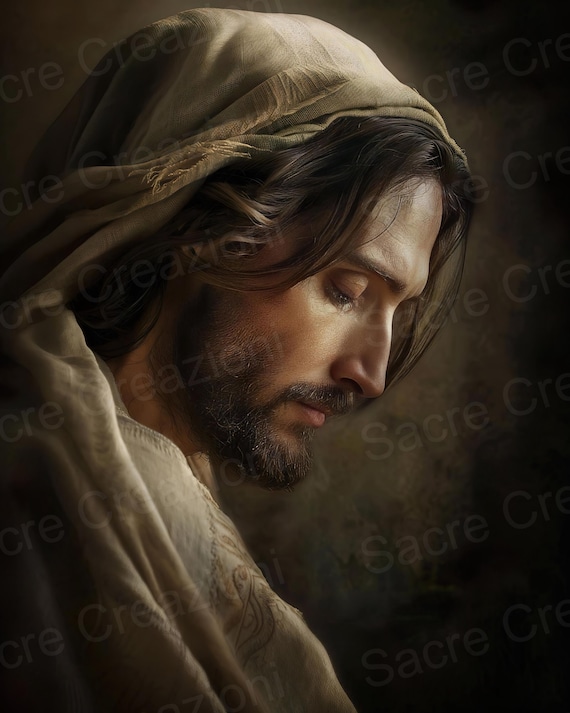
They are, in rank order: Jesus Christ (1), Michael Jackson (3), Muhammad (14), Adolf Hitler (18), Albert Einstein (24), William Shakespeare (26), Tupac Shakur (42), Elizabeth II (44), Diana, Princess of Wales (49), Marilyn Monroe (52), Elvis Presley (54), John F. Kennedy (57), Mahatma Gandhi (58), Bruce Lee (62), Isaac Newton (63), Abraham Lincoln (66), Diego Maradona (79), Vincent van Gogh (81), Pablo Picasso (83), Wolfgang Amadeus Mozart (85), Steve Jobs (92) and Joseph Stalin (100).
Why one list
A separate category for the departed would have been the tidier design, and the journal considered it. It was rejected because it would have made the standard list untrue. If the question is who the world is paying attention to, then Michael Jackson at No. 3 is the answer, and moving him to a side table because he died in 2009 would be an editorial decision dressed up as a measurement. The journal prints lists; it does not curate them.
The same rule holds everywhere. The most famous person in Austria this month is Mozart. In Denmark it is Hans Christian Andersen. In South Africa it is Nelson Mandela. Eighteen of the fifty-five country lists with a named No. 1 are topped by someone who is no longer living. The country pages print that as it is.
What the Alive list is for
The Most Famous People in the World Alive exists because the second question readers ask is a fair one, and because a list of living people is the one that most press citations, most conversations and most arguments are actually about. It is not a lesser list. It is the same ranking, read with one filter, published under its own title with the month in it, and re-issued every month alongside the standard list. Every country, origin, region and sector list in the journal has the same two readings, one click apart.
How "alive" is decided
The journal uses the engine's own definition, so that the Alive list here never disagrees with the live filter on ifann.net. A person counts as living when the engine's record for them says so: a profile exists, it does not mark the person as deceased, and it carries no date of death. Where a life status is not on file, the name appears on the standard list only until the record is completed. In August, every one of the hundred had a status on file.
More from the journal
The month in fame, August 2026
The first issue of the record opens with a name that has held the world's attention for two thousand years, a footballer who holds it now, and a list on which the living and the dead are measured on one scale.
iFAMOUS Editorial Desk · September 5, 2026
How to read an iFAMOUS list
What a rank means, what the score is, why the dead are on the standard list, why some countries have no named No. 1, and why movement is sometimes missing.
iFAMOUS Editorial Desk · September 5, 2026

The most famous living person in the world is a footballer from Madeira
Cristiano Ronaldo opens the Alive list at No. 1 in August 2026, with a fame score that puts him above every politician, every musician and every actor on earth, and second only to Jesus Christ on the standard list.
iFAMOUS Editorial Desk · September 5, 2026

Around the world, August 2026
Sixty-two country lists, fifty-five named No. 1s, twenty-four of them politicians, seven of them the same man. A tour of the first issue's map.
iFAMOUS Editorial Desk · September 5, 2026