The month in fame, September 2026
The second issue opens with the same name at the top and a wider gap behind him: Jesus Christ at 55.7, Ronaldo the most famous living person again, and a hundred on which seventy-seven are alive.
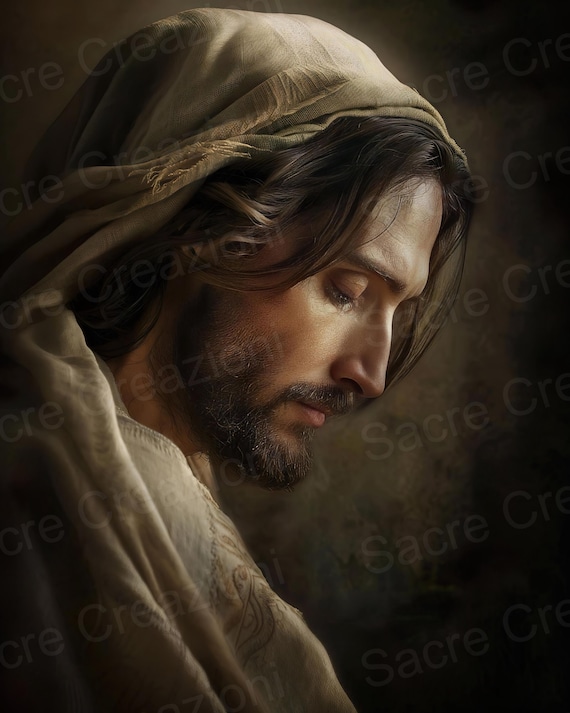
The second list in the second issue of iFAMOUS begins, like the first, with Jesus Christ. The engine measured a fame score of 55.7 for him in September 2026, against 48.2 for Cristiano Ronaldo at No. 2 and 43.0 for Michael Jackson at No. 3. The order at the top is unchanged from August and the gap is wider: seven and a half points separate the first name from the second. That order is the point of the standard list. The 100 Most Famous People in the World ranks everyone the world knows, whether they are alive to notice, and it does not apologise for the result.
The second list in the issue answers the question most readers ask next. The Most Famous People in the World Alive, September 2026, is the same ranking restricted to living people. Its No. 1 is Ronaldo, followed by Donald Trump, Lionel Messi, Justin Bieber and Rihanna. Those five occupy positions 2, 4, 5, 6 and 7 on the standard list; between them sits only Jackson, and further down, at No. 14, the founder of Islam. The two lists are published side by side in every issue, and every country, region and sector list in the journal carries the same two readings.
Who is on The 100
Seventy-seven of the hundred are living. The other twenty-three are the names the world keeps reading, watching and searching for long after they are gone, and they are listed, in rank order, in the data note Twenty-three of the hundred are dead. At No. 100 exactly stands Paris Hilton, which says something about what durable fame looks like: not a month of attention, but a name the world has known for twenty years and still looks up.
By type, the list is overwhelmingly a list of entertainers: 77 of the hundred are classified by the engine as celebrities, 13 as politicians, 7 as public figures, 2 as historical figures and 1 as an internet personality. By country, it is overwhelmingly American. Fifty of the hundred are from the United States and fourteen from the United Kingdom; Canada follows with six, Germany with three. Twenty-two countries are represented in all.
The rest of the record
Beyond the two flagship lists, the September issue freezes 242 lists across 61 countries, 9 regions and 73 sectors, plus 76 origin lists, drawn from 15,510 ranked names with 99 per cent full evidence coverage. Sixty-one of the country lists hold a people ranking; in fifty-six of them the evidence is strong enough for the journal to print a named No. 1. Twenty-five of those fifty-six are the same man: the September map belongs to Jesus Christ to a degree the August map did not. The dispatch Around the world walks through it, and the World desk prints both readings side by side for every country.
Beyond people, the issue freezes the rest of what the world knows best: the most famous brands and products, led by YouTube, Facebook, Instagram, Google and the UN; groups and teams, where the top five are all football clubs, Real Madrid first; movies and television, where Game of Thrones still leads Breaking Bad and Stranger Things; and games, where Grand Theft Auto V leads a short list of two.
This is the first issue frozen under engine version 5.70, so no movement is printed anywhere in it. The August issue stands in the archive as Issue No. 1, but it was computed under version 5.62 and the journal does not compare positions across versions: a version change is a restatement, not a rise. Risers, fallers and new entries begin with the first pair of consecutive issues frozen under one version.
How to read it
A rank on an iFAMOUS list reflects how famous a name is in the world at the date of the issue: how widely it is known and how well the public knows who it is, assessed from extensive historical and current public evidence, among it worldwide Wikipedia readership across languages, worldwide news coverage, search interest anchored against stable reference names with history back to 2004, and per-country readership for the country lists. The month in the title is the date of the edition, not the period measured. It is not a measure of merit, importance or popularity on iFANN, not a count of one month's attention, and not a poll. Nothing on iFANN itself, no like, follow or comment, counts toward it. The full method is on the methodology page, and the explainer How to read an iFAMOUS list covers the questions that come up most.
The issue is frozen. It will read the same in ten years as it does today.
More from the journal
The month in fame, August 2026
The first issue of the record opens with a name that has held the world's attention for two thousand years, a footballer who holds it now, and a list on which the living and the dead are measured on one scale.
iFAMOUS Editorial Desk · September 5, 2026
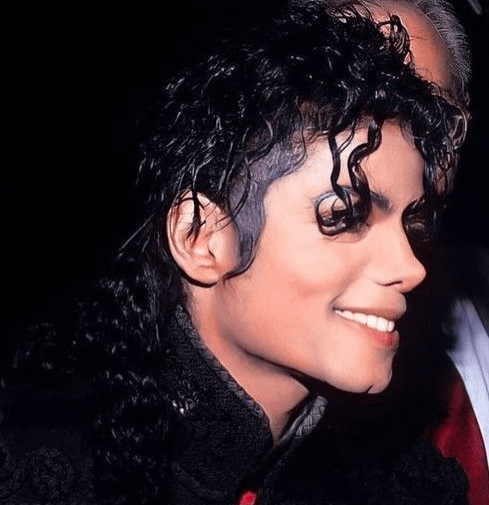
Twenty-three of the hundred are dead. That is the record.
Why the standard list ranks the living and the dead together, who the twenty-three are, and what the Alive list is for.
iFAMOUS Editorial Desk · October 2, 2026

The most famous living person in the world is still a footballer from Madeira
Cristiano Ronaldo holds the Alive list at No. 1 in September 2026, more than five points clear of Donald Trump, and leads Portugal, Africa, Europe and every footballer on earth.
iFAMOUS Editorial Desk · October 2, 2026

Around the world, September 2026
Sixty-one country lists, fifty-six named No. 1s, twenty-five of them the same man. A tour of the second issue's map.
iFAMOUS Editorial Desk · October 2, 2026