The month in fame, August 2026
The first issue of the record opens with a name that has held the world's attention for two thousand years, a footballer who holds it now, and a list on which the living and the dead are measured on one scale.
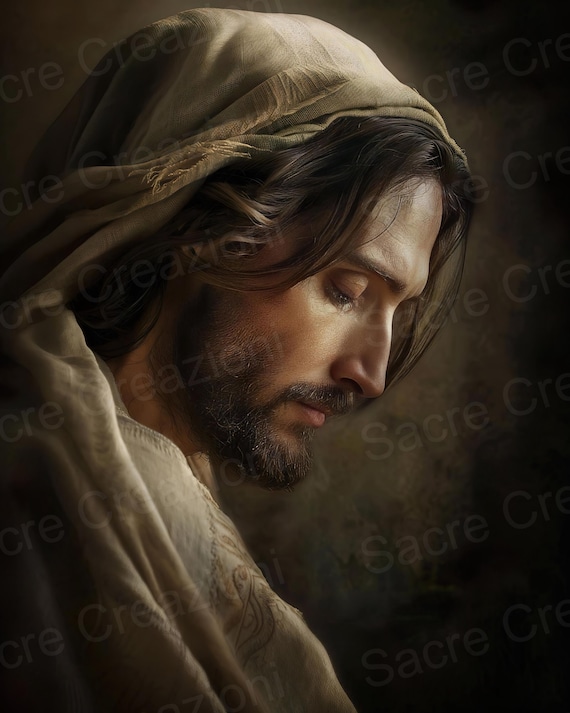
The first list in the first issue of iFAMOUS begins with Jesus Christ. No living person came close: the engine measured a fame score of 53.6 for him in August 2026, against 48.3 for Cristiano Ronaldo at No. 2 and 42.2 for Michael Jackson at No. 3. That order is the point of the standard list. The 100 Most Famous People in the World ranks everyone the world knows, whether they are alive to notice, and it does not apologise for the result.
The second list in the issue answers the question most readers ask next. The Most Famous People in the World Alive, August 2026, is the same ranking restricted to living people. Its No. 1 is Ronaldo, followed by Donald Trump, Lionel Messi, Justin Bieber and Taylor Swift. Those five occupy positions 2, 4, 5, 6 and 7 on the standard list; between them sit only Jackson and, further down, the founder of Islam. The two lists are published side by side in every issue, and every country, region and sector list in the journal carries the same two readings.
Who is on The 100
Seventy-eight of the hundred are living. The other twenty-two are a roll call of the names that the world keeps reading, watching and searching for long after they are gone: Jackson, Muhammad at No. 14, Adolf Hitler at No. 18, Albert Einstein, William Shakespeare, Tupac Shakur, Elizabeth II, Diana, Princess of Wales, Marilyn Monroe, Elvis Presley, and on through Mozart, Steve Jobs and, at No. 100 exactly, Joseph Stalin.
By type, the list is overwhelmingly a list of entertainers: 79 of the hundred are classified by the engine as celebrities, 11 as politicians, 7 as public figures, 2 as historical figures and 1 as an internet personality. By country, it is overwhelmingly American. Forty-nine of the hundred are from the United States and fifteen from the United Kingdom; Canada follows with six, Spain with three, and Argentina, Austria, Brazil and France with two each. Twenty countries are represented in all.
The rest of the record
Beyond the two flagship lists, the August issue freezes 249 lists across 83 countries, 9 regions and 75 sectors, drawn from 14,818 ranked names with 99 per cent full evidence coverage. Sixty-two of the country lists hold at least one person; in fifty-five of them the evidence is strong enough for the journal to print a named No. 1. Politicians top twenty-four of those fifty-five lists. The most famous person in seven of them, from Morocco to Indonesia, is Muhammad. The dispatch Around the world walks through the map.
This is the inaugural issue under engine version 5.62, so no movement is printed anywhere in it. The engine's July freeze exists and is published in the archive as a retrospective record, but it was computed under an earlier version and the journal does not compare positions across versions. Risers, fallers and new entries begin with the September issue.
How to read it
A rank on an iFAMOUS list reflects how famous a name is in the world at the date of the issue: how widely it is known and how well the public knows who it is, assessed from extensive historical and current public evidence, among it worldwide Wikipedia readership across languages, worldwide news coverage, search interest anchored against stable reference names with history back to 2004, and per-country readership for the country lists. The month in the title is the date of the edition, not the period measured. It is not a measure of merit, importance or popularity on iFANN, not a count of one month's attention, and not a poll. Nothing on iFANN itself, no like, follow or comment, counts toward it. The full method is on the methodology page, and the explainer How to read an iFAMOUS list covers the questions that come up most.
The issue is frozen. It will read the same in ten years as it does today.
More from the journal
How to read an iFAMOUS list
What a rank means, what the score is, why the dead are on the standard list, why some countries have no named No. 1, and why movement is sometimes missing.
iFAMOUS Editorial Desk · September 5, 2026
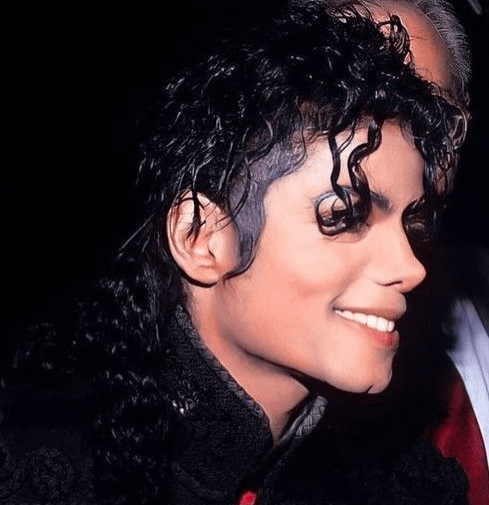
Twenty-two of the hundred are dead. That is the record.
Why the standard list ranks the living and the dead together, who the twenty-two are, and what the Alive list is for.
iFAMOUS Editorial Desk · September 5, 2026

The most famous living person in the world is a footballer from Madeira
Cristiano Ronaldo opens the Alive list at No. 1 in August 2026, with a fame score that puts him above every politician, every musician and every actor on earth, and second only to Jesus Christ on the standard list.
iFAMOUS Editorial Desk · September 5, 2026

Around the world, August 2026
Sixty-two country lists, fifty-five named No. 1s, twenty-four of them politicians, seven of them the same man. A tour of the first issue's map.
iFAMOUS Editorial Desk · September 5, 2026